
CleanControlling is the new distribution partner for BIDAG particles and reference standards
Two product categories: Test particles & Standard particles
BIDAG offers a wide range of products, divided into two main areas:
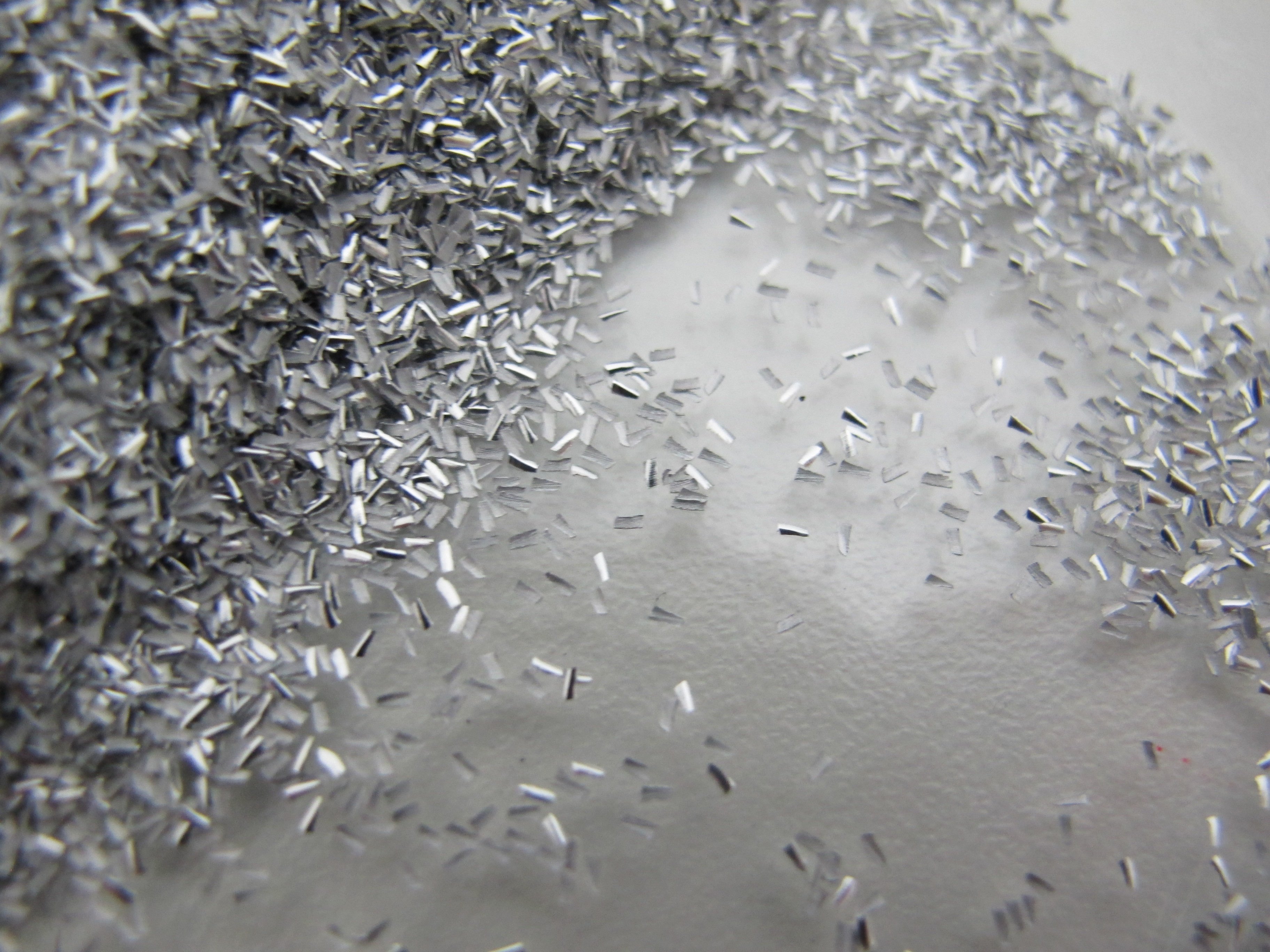
Test particle
Test particles are produced by machining or by atomizing melts. They can be made from almost any material and are ideal for individual testing requirements, such as validating specific analysis processes or simulating real contamination scenarios.
Norm particle
These particles are usually laser-cut and are currently available in stainless steel, copper, aluminum, and various plastics. They are used for standardized testing and reproducibility of analytical methods.
Working standards for cleanliness analyses according to VDA 19.1
Working standard or calibration standard for the verification of cleanliness tests
BIDAG working and calibration standards serve as reliable tools for verifying the capability of cleanliness tests, making them the ideal complement to professional analysis and quality assurance processes. They consist of a glass slide coated with standard or test particles of a defined size and distribution.
They are particularly suitable for determining the recovery rate of test particles in accordance with VDA 19.1. An individually created specification analysis allows the particle count before and after extraction to be precisely verified – a crucial step in transparently evaluating process stability and measurement quality.
A key advantage of BIDAG working standards is their realistic range of applications: the test particles used are not synthetic models, but real chips from machining processes. This reflects the real behavior of particles in the extraction and analysis process, which significantly increases the informative value of the results.
In addition, the working/calibration standards support companies in the selection and evaluation of external service providers and suppliers by creating an objective basis for comparison of analysis quality and recovery rates.

Newsletter registration